Where should a foreign passport holder sleep during a 3-day Shanghai trip? Base all three nights in central Huangpu (the Bund–People’s Square corridor) or in Pudong’s Lujiazui if you want skyline views. Both districts sit on Metro lines and host licensed international hotels that register foreign guests without fuss.
Why sleep in one place for all three nights
Shanghai is compact once you understand the Metro. Unlike cities where you relocate every day, Shanghai rewards a single base: you check in once, hand over your passport for the mandatory registration, and stop unpacking your suitcase each evening. Most first-time visitors underestimate how spread out the “must-see” sights are, so a central hotel cuts transfer time dramatically.
Domestic hotels in China are legally required to register foreign guests with the local public-security bureau. Licensed international-brand and larger Chinese-brand hotels do this smoothly at check-in; small unlicensed guesthouses may refuse foreigners entirely. Confirm acceptance before booking — see can foreigners stay in Chinese hotels for the underlying rule.
Day 1 — Arrive and settle near the Bund
Land at Pudong International (PVG) or Hongqiao (SHA). From PVG the Maglev reaches Longyang Road in eight minutes, then Metro Line 2 into the city; a taxi or DiDi to a Huangpu hotel runs 160–220 RMB depending on traffic. From Hongqiao, Line 2 or a short taxi ride gets you to the center in under 40 minutes.
Sleep in Huangpu, ideally between People’s Square and the Bund. This puts you within walking distance of Nanjing Road, the Bund waterfront, and the Yu Garden. Hotels here are overwhelmingly foreigner-licensed. After check-in, walk the Bund at dusk — no need to travel far.
Day 2 — Pudong day, return to the same bed
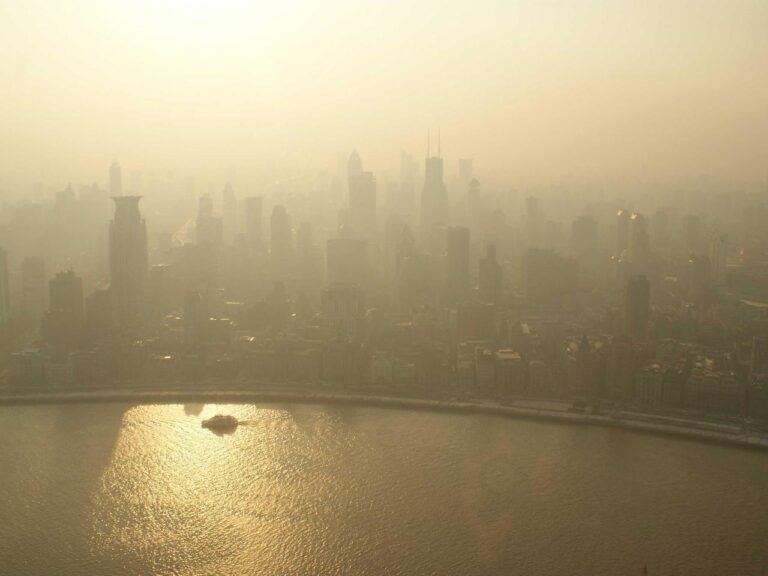
Take Metro Line 2 or the Bund tourist tunnel across to Lujiazui. Spend the morning at the Oriental Pearl or Shanghai Tower observation decks, then wander the riverside promenade. Lunch in Pudong, afternoon back across the river to explore the former French Concession (Xintiandi, Tianzifang) via Metro Lines 10/13.
You do not change hotels. Return to your Huangpu base. Staying put means your registration is already on file and you avoid a second round of passport scanning.
Day 3 — Water town or museum, then depart
Option A: a half-day trip to Zhujiajiao water town (Metro Line 17) and back. Option B: the Shanghai Museum and a slow morning near Fuxing Park in the Concession. Either way you sleep one last night in Huangpu (or Pudong) before your outbound flight.
Night-by-night base plan
| Night | Base area | Why here | Transfer note |
|---|---|---|---|
| 1 | Huangpu (Bund–People’s Sq) | Walk to Bund, Nanjing Rd, Yu Garden | Maglev + Line 2 or taxi from airport |
| 2 | Same Huangpu base | No move; registration already done | Metro 2 to Lujiazui, back same day |
| 3 | Same Huangpu base | Easy airport run next morning | Line 2 or taxi to PVG/SHA |
Choosing your district
Huangpu suits sightseers and first-timers: it is the historical core, dense with licensed hotels, and walkable after dark. Pudong’s Lujiazui suits travelers who want a modern tower hotel and don’t mind crossing the river for old-town sights. Jing’an and Xuhui are quieter, cheaper, and still on the Metro, but add 10–15 minutes to reach the headline attractions.
Payment matters. Many mid-range hotels now take foreign Visa/Mastercard at the front desk, but smaller properties may only accept domestic apps. Check foreign credit card hotels in China before you commit, and carry a backup card plus some cash.
Booking and registration notes
Book through a platform that shows the hotel’s foreigner policy, and keep the confirmation email handy. At check-in you present your passport; the hotel records your name, nationality, passport number, and visa details. This is routine and takes a couple of minutes. If a hotel hints it cannot register foreigners, walk away and pick one of the international brands clustered around People’s Square.
For area-specific hotel picks, read where to stay near the Bund, which breaks down streets, price bands, and which buildings actually accept foreign passport holders.
Frequently asked questions
Is three nights enough for Shanghai?
Yes for a first visit. Two full days plus arrival/departure windows cover the Bund, Lujiazui, the Concession, and one side trip. Add a fourth night only if you want Suzhou or Hangzhou.
Can I stay in Pudong instead of Huangpu?
Absolutely. Lujiazui has luxury towers with river views. The trade-off is a daily river crossing to reach the old town; budget an extra 20 minutes each way.
Do budget hotels in Shanghai take foreigners?
Some do, many don’t. Always confirm. The cheapest rooms in older lane houses are the most likely to reject foreign passports, while branded budget chains in Huangpu are generally safe.
Will my foreign card work at the hotel?
At international and upscale hotels, usually yes. At smaller places, sometimes no. Verify by calling or emailing ahead, and keep a second payment method ready.
Is the Metro foreigner-friendly?
Very. Signage is bilingual, and you can use Alipay or a physical metro card. Just avoid rush hour (8–9am, 6–7pm) with luggage.
Do I need to register with police myself?
No — licensed hotels do it for you at check-in. Only if you stay in a private apartment would you need to register in person, and that is legally restricted for foreigners.
Should I book now or on arrival?
Book before you fly. Shanghai hotels fill up around holidays and major expos, and pre-booking lets you confirm the foreigner policy in writing.