West Lake is Hangzhou’s reason to visit, and staying within walking distance of its eastern shore puts you on the scenic loop, near the temples and the tea hills, and a short high-speed rail hop from Shanghai. The trade-off is price: lakefront hotels command a premium, while a short walk inland or toward the station saves money without losing the atmosphere. Here is where to stay and how the transfers actually work for a foreign visitor.
Where West Lake sits
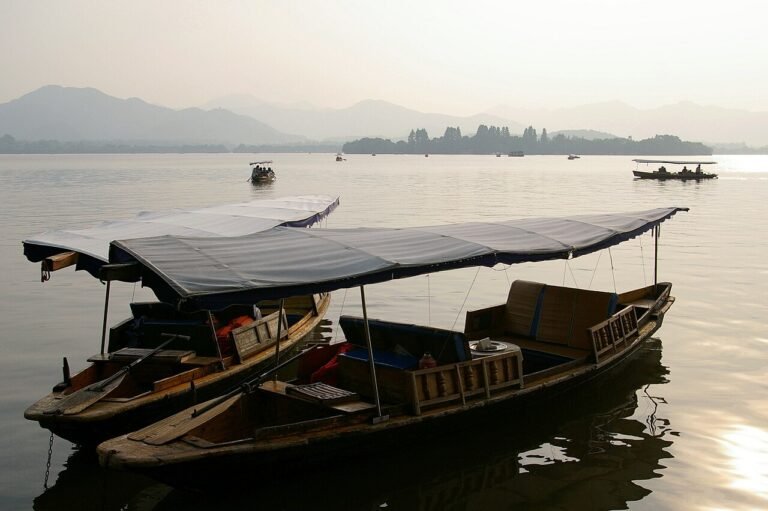
The lake is in the west of Hangzhou, a long finger of water ringed by causeways, gardens and hills. The eastern shore — around Hubin and the city side — is where most visitors base, because it connects straight into the downtown grid and the Metro. The southern and western shores are quieter and more scenic but further from transit. Knowing which shore you’re on matters more than the glossy “lake view” label on a listing, because the difference shows up in how you get everywhere else.
On the lake versus a short walk in
| Option | Pros | Cons | Best for |
|---|---|---|---|
| Lakefront (Hubin) | Steps from the water, walkable | Pricey, busy | Short trips, honeymooners |
| Wulin / downtown | Cheaper, Metro-rich | 15–20 min to the shore | Value seekers |
| Near the station | Easy arrival/departure | 25–30 min to the lake | Stopovers |
| Xixi wetlands side | Green, calm | Far from the lake proper | Nature-focused stays |
The pattern holds across China: the postcard location costs the most, and a ten-minute walk inland usually halves the rate for the same quality. For West Lake, the walk is pleasant, so the saving is worth it for most.
Best neighbourhoods to stay
Hubin is the obvious lakefront base — you step out onto the eastern promenade and the boats. Wulin and the downtown core are a flat walk or short Metro ride away and offer better value with more international-standard hotels. Longxiang Bridge and nearby stations put you on Line 1 for both the lake and the rail hub. If you want the calm, Xixi National Wetland Park to the west is lovely but commits you to longer transfers. Our Hangzhou hotel budget guide for foreigners breaks down the tiers.
Getting around the lake
The lake is made for slow travel. A flat walking loop runs much of the shore; shared bikes let you cover more; and the electric tour boats shuttle between the key islets — Little Yingzhou, the Mid-Lake Pavilion, the Ruangong Dyke. A hop-on sightseeing bus circles the perimeter if the weather turns. None of this needs a car; in fact a car is a liability in the pedestrianised core. Keep your hotel’s Chinese name on your phone for any taxi at the edges.
Foreigner-friendly hotels
International and upscale Chinese-brand hotels cluster around Hubin and Wulin and register foreign passports without fuss. Mid-range chains in the downtown core are the value sweet spot and reliably licensed. Smaller lakeside inns can be charming but vary on licensing, so confirm foreign-guest acceptance before paying, using our email template for confirming a hotel takes foreigners. Hangzhou is a major tourist city, so licensed options are plentiful — the risk is low if you book sensibly.
A simple lake day from your base
- Start at the eastern shore near Hubin after breakfast.
- Walk or bike the Su Causeway and Bai Causeway for the classic views.
- Take a boat to Little Yingzhou, the lake’s centrepiece islet.
- Climb nearby Baoshi Hill or visit Leifeng Pagoda for the sunset panorama.
- Evening: the musical fountain show near Hubin, then dinner downtown.
This loops back to your base without a single long transfer, which is the whole point of staying central.
Hangzhou as a Shanghai day trip or stopover
Many foreign visitors slot Hangzhou between Shanghai and elsewhere: the high-speed train from Shanghai Hongqiao takes roughly an hour, making a day trip feasible, though an overnight is far more relaxed. If you’re transiting, a hotel near Hangzhou East Railway Station minimises hassle; if you’re touring, base at the lake. Either way the city is compact enough that one base covers it. Our Shanghai itinerary often pairs with a Hangzhou add-on.
Food and tea to plan around
Hangzhou’s cuisine is delicate — West Lake vinegar fish, Longjing shrimp, and beggar’s chicken are the signature dishes — and the surrounding hills grow Longjing (Dragon Well) tea, best bought at a reputable shop rather than a tourist stall. Budget an evening for a lakeside dinner and a morning for a teahouse; these are as much the experience as the water itself. A central hotel puts the good restaurants within walking or short-ride distance, so you’re not dependent on the pricier spots by the shore.
Best time to visit Hangzhou
Spring (March–May) and autumn (September–November) are the sweet spots: mild weather, blooming trees around the lake, and clear views across the water. Summer is hot and humid, and the shore gets crowded; winter is cold but quiet and cheap, with a chance of rare snow on the hills that photographs beautifully. Avoid the week-long National Day holiday in early October, when the lake swarms. Whenever you come, mornings on the eastern shore are calmest, so a central base lets you catch the early light before the day-trippers arrive.
Combining West Lake with the water towns
Many visitors pair Hangzhou with a nearby canal town such as Wuzhen or Xitang, which are within a couple of hours by bus or train and offer the stone-bridge, lantern-lit atmosphere the lake only hints at. These are easy half-day or overnight add-ons from a Hangzhou base, not separate trips. If your route is Shanghai–Hangzhou, a water town slots neatly between them. Our Shanghai itinerary often includes this extension, and a central Hangzhou hotel keeps the logistics simple.
Accessibility and family notes
The lake loop is flat and stroller- and wheelchair-friendly along the main promenades, though some causeways and hills have steps. Boat tours are the easiest low-effort way to see the islets with limited mobility. Families will find the open space a relief after city museums, and the teahouses make natural rest stops. A hotel near Hubin or Wulin puts you on flat ground within walking distance of boats and food, which matters more than a “lake view” room when travelling with kids. Ask the desk about the nearest step-free Metro entrance when you check in.
Frequently asked questions
Should I stay right on the lake?
Only if the premium fits your budget. A short walk inland gives the same access for far less, and the walk is part of the charm.
Is Hangzhou easy to reach from Shanghai?
Yes — the high-speed train from Shanghai takes about an hour, making it an easy day trip or overnight from the bigger city.
Which Metro line serves the lake?
Line 1 runs near the eastern shore and the downtown core; stations like Longxiang Bridge put you within walking distance of Hubin.
Are lakefront hotels worth the price?
For a short, special trip they can be; for most visitors a downtown base a few minutes away is the better value and just as convenient.
Do I need a car in Hangzhou?
No. The lake core is pedestrianised and the city is Metro-connected; a car adds hassle, not speed.
Can I visit West Lake without staying overnight?
Yes, as a day trip from Shanghai, but an overnight lets you catch the early-morning calm and the evening fountain show.